Awareness without cameras
Radar technology helps care teams understand resident activity without relying on video cameras.
Know what's happening in your care facility. Lighthouse uses camera-free radar to monitor resident activity, detect falls, and help care teams respond when it matters.
Built for the People Behind Better Care.


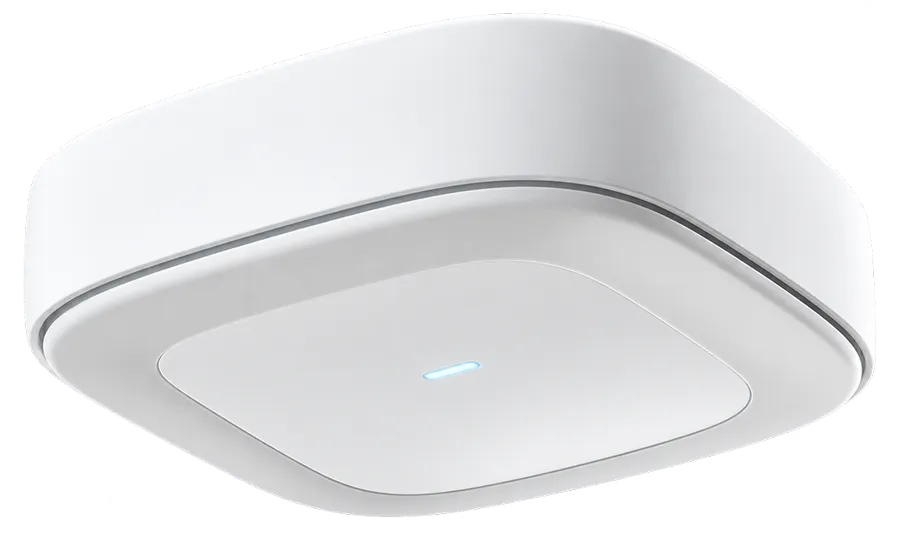
Radar technology helps care teams understand resident activity without relying on video cameras.
Fall and bed-exit alerts go straight to staff devices, so the nearest carer can respond in moments.
Sleep, restlessness and room exits are summarised into a report ready for the morning handover.
Personalized care
Radar sensors provide information about activity without cameras. Lighthouse turns sensor-derived signals into useful views, alerts, and patterns for care teams.
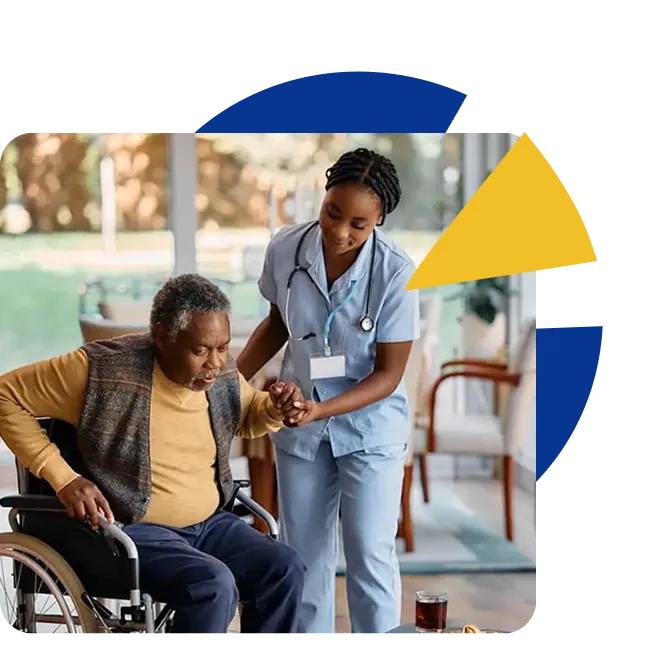
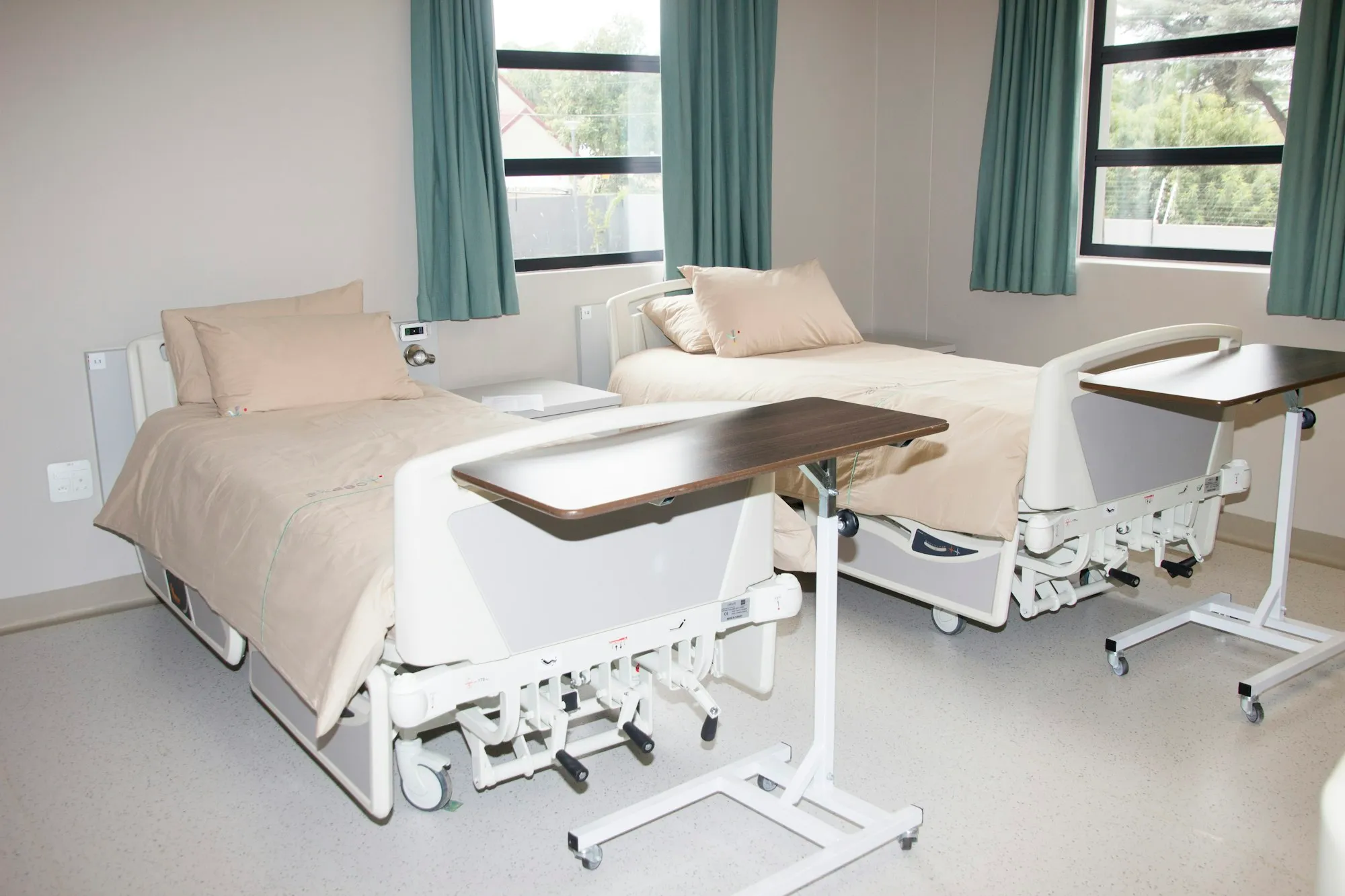
Know the moment a resident gets up or falls, even with the lights off.
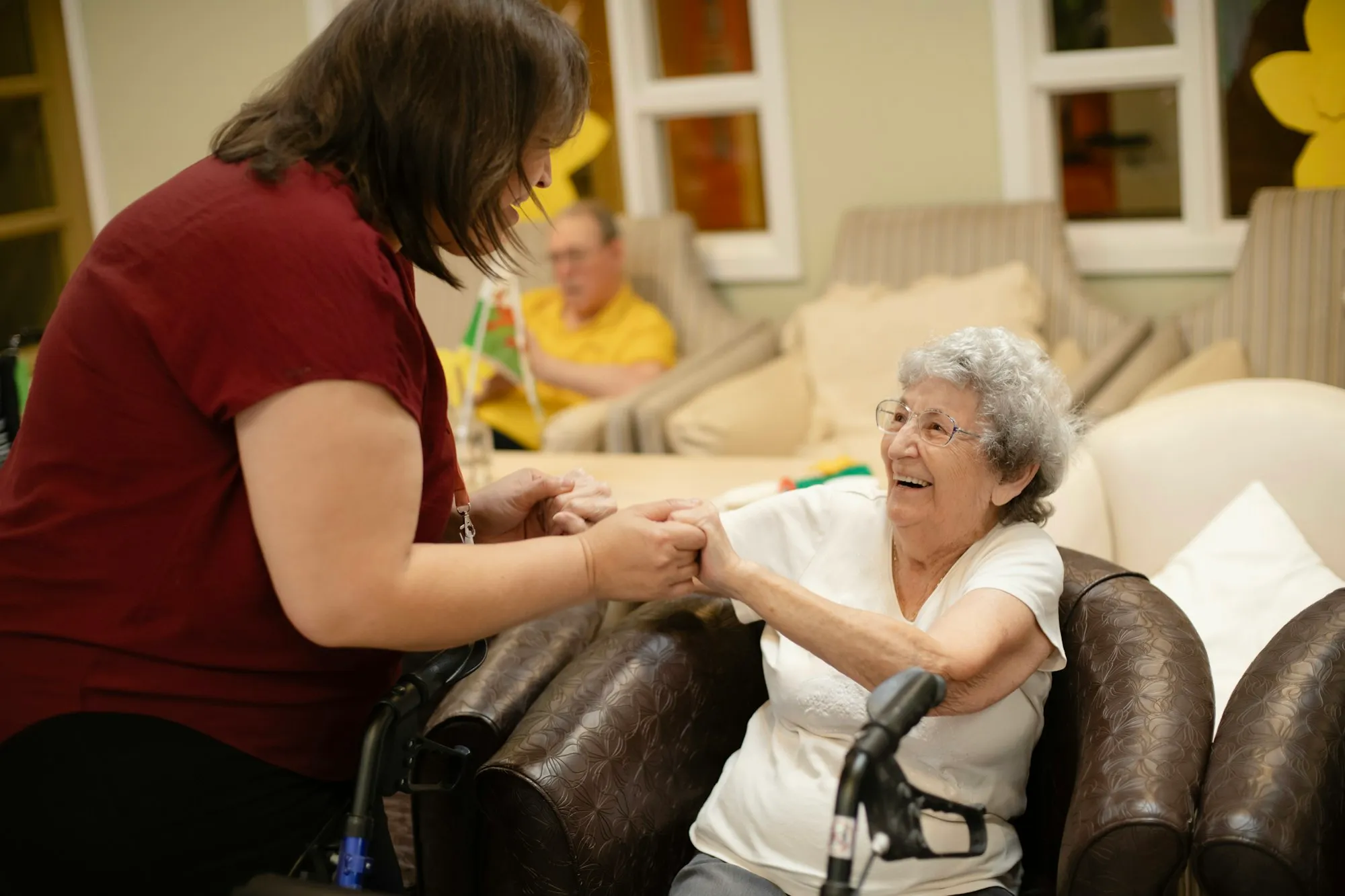
Spot gradual shifts in mobility and routine before they become a problem.
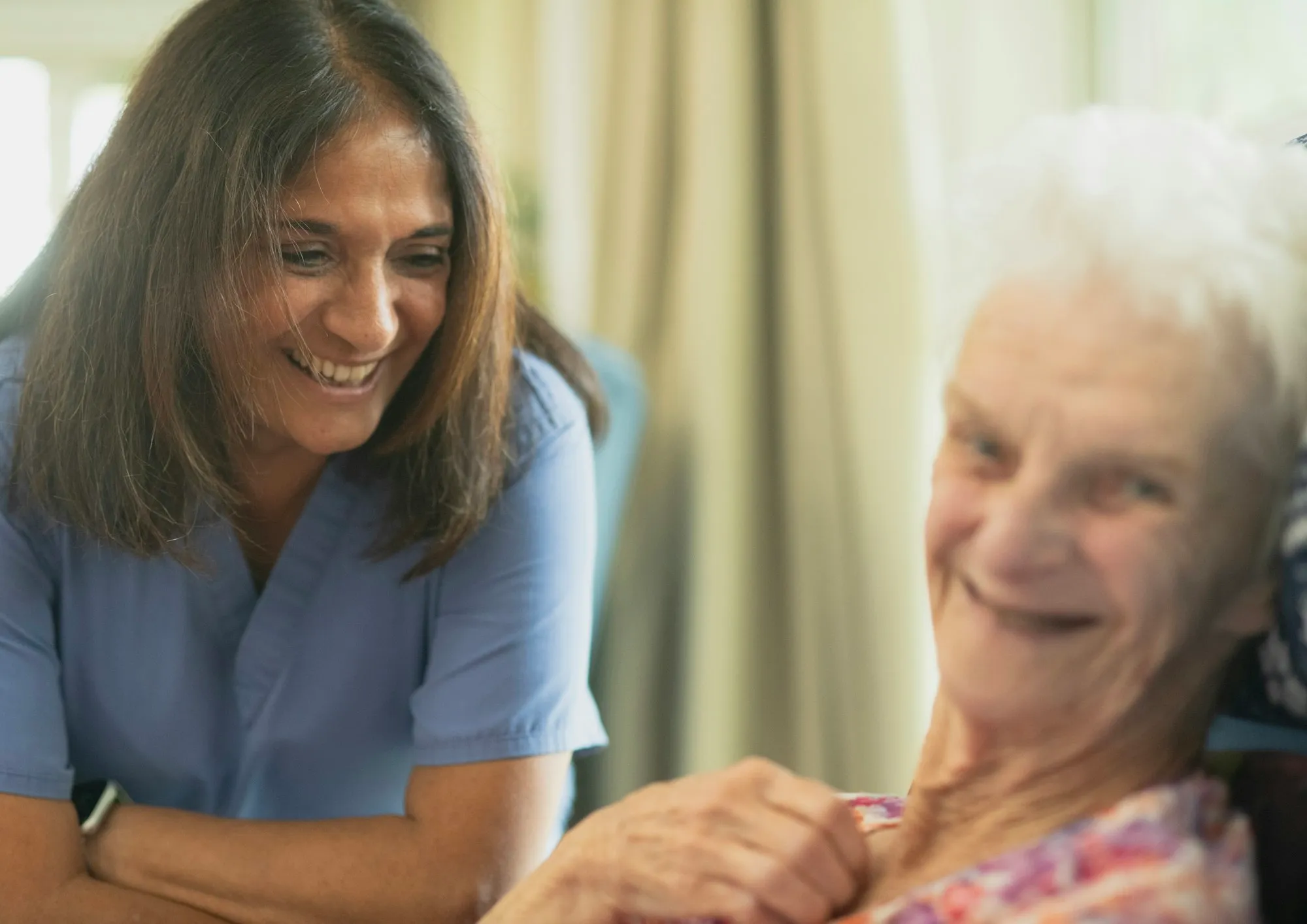
Get a prompt when something in a room looks out of the ordinary.
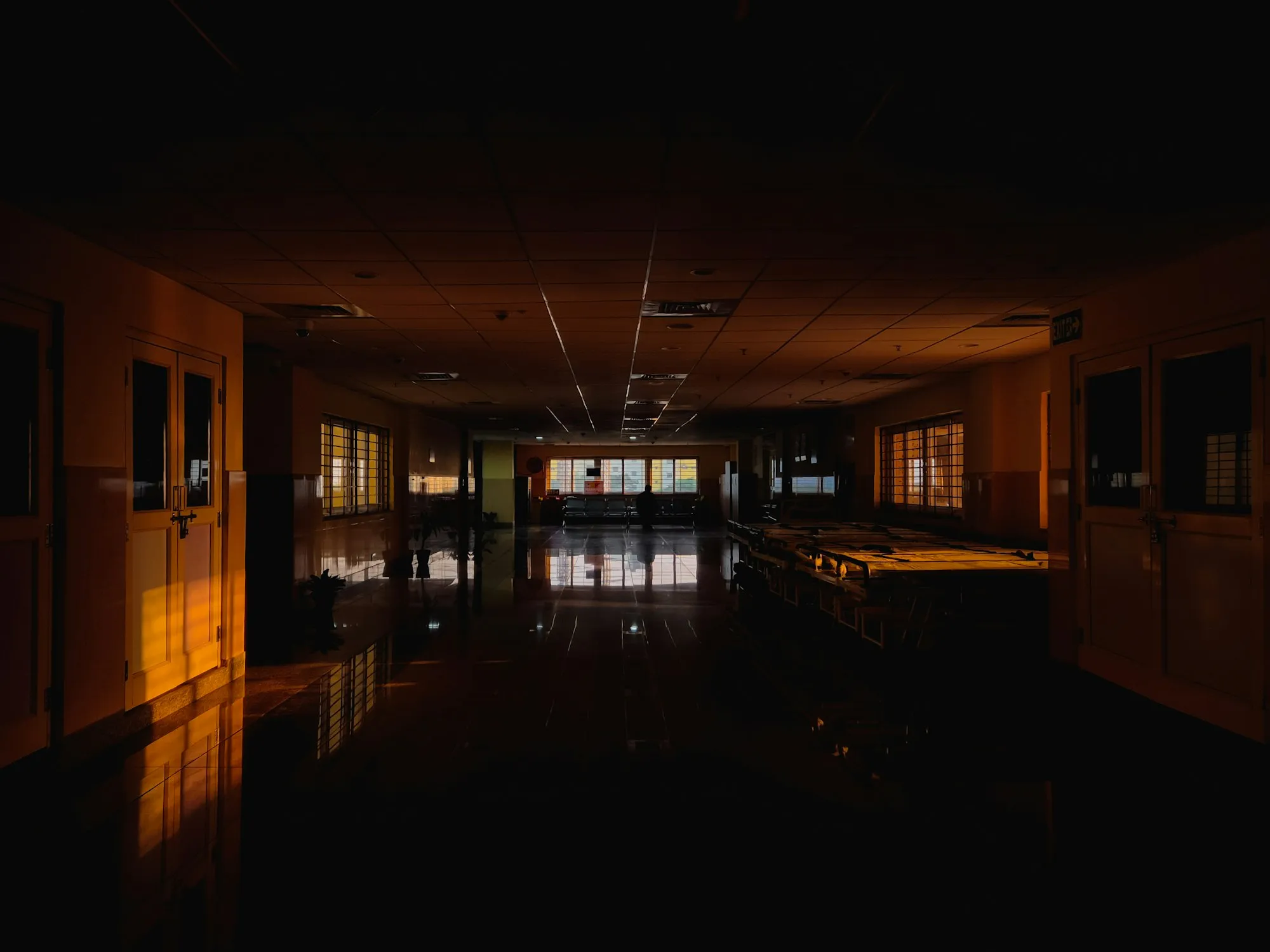
Know when a resident leaves their room at night, and when they return.
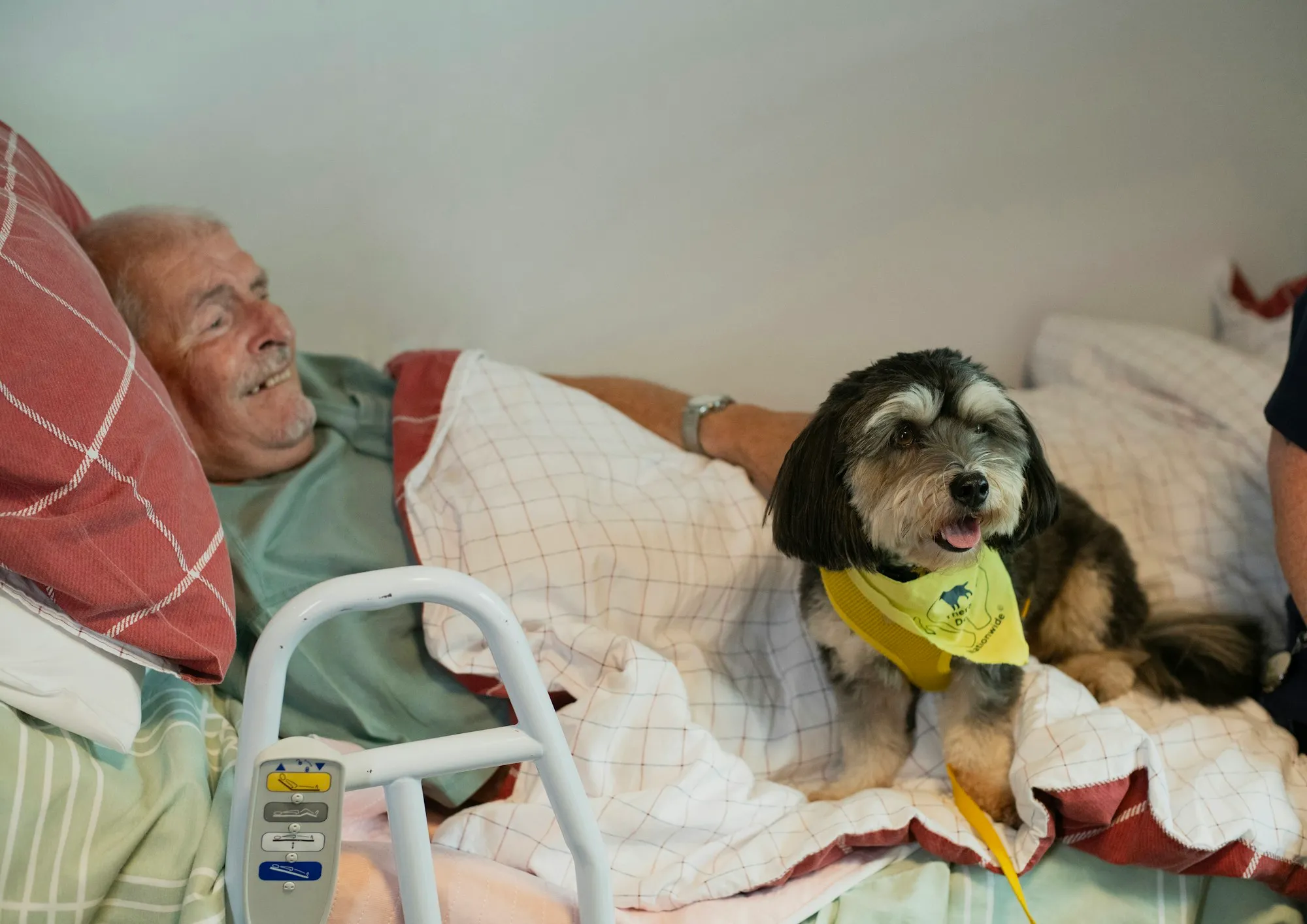
Understand sleep quality without disturbing anyone.
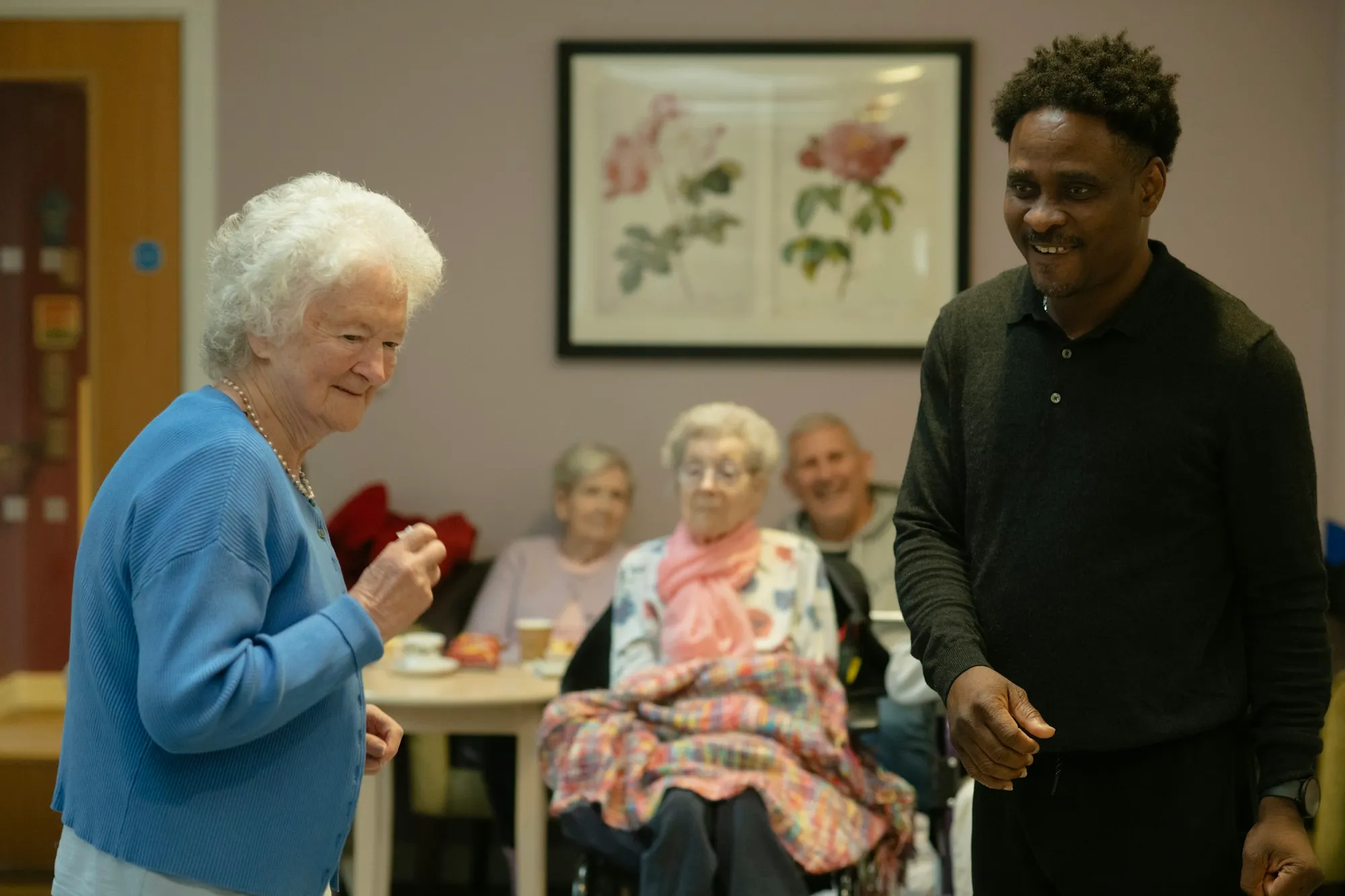
Notice when a resident is spending more time alone in their room.
Know the moment a resident gets up or falls, even with the lights off.
Lighthouse recognises a bed exit as it begins and the movement pattern of a fall, then alerts the nearest staff device. Sensitivity is set per resident, so higher-risk residents get earlier warnings without flooding the night shift.
<30 s
from a bed exit to an alert on a carer’s device
Spot gradual shifts in mobility and routine before they become a problem.
Get a prompt when something in a room looks out of the ordinary.
Know when a resident leaves their room at night, and when they return.
Understand sleep quality without disturbing anyone.
Notice when a resident is spending more time alone in their room.
Spot gradual shifts in mobility and routine before they become a problem.
By learning each resident’s normal day, Lighthouse highlights slower movement, longer time seated or fewer trips around the room, giving clinicians an early prompt to review medication, hydration or physiotherapy.
14 days
to learn a resident’s normal routine
Get a prompt when something in a room looks out of the ordinary.
Know when a resident leaves their room at night, and when they return.
Understand sleep quality without disturbing anyone.
Notice when a resident is spending more time alone in their room.
Know the moment a resident gets up or falls, even with the lights off.
Get a prompt when something in a room looks out of the ordinary.
Long periods without movement, unexpected activity at night or a longer than usual bathroom visit raise a gentle prompt, so staff can check in at the right moment instead of on a fixed rota.
40%
fewer unnecessary night-time room checks
Know when a resident leaves their room at night, and when they return.
Understand sleep quality without disturbing anyone.
Notice when a resident is spending more time alone in their room.
Know the moment a resident gets up or falls, even with the lights off.
Spot gradual shifts in mobility and routine before they become a problem.
Know when a resident leaves their room at night, and when they return.
Room-exit alerts can be scheduled for night hours only, helping staff gently guide residents living with dementia back to bed before they reach stairs or exits.
24/7
room-exit monitoring, scheduled to each care plan
Understand sleep quality without disturbing anyone.
Notice when a resident is spending more time alone in their room.
Know the moment a resident gets up or falls, even with the lights off.
Spot gradual shifts in mobility and routine before they become a problem.
Get a prompt when something in a room looks out of the ordinary.
Understand sleep quality without disturbing anyone.
Lighthouse tracks time in bed, restlessness and getting up during the night, then summarises it in the morning report so day staff can spot poor sleep linked to pain, infection or anxiety.
2 min
to read a whole night’s summary at handover
Notice when a resident is spending more time alone in their room.
Know the moment a resident gets up or falls, even with the lights off.
Spot gradual shifts in mobility and routine before they become a problem.
Get a prompt when something in a room looks out of the ordinary.
Know when a resident leaves their room at night, and when they return.
Notice when a resident is spending more time alone in their room.
Comparing time in room with each resident’s usual pattern helps activity coordinators and families see early signs of withdrawal or low mood, and plan more social contact.
1 in 4
residents spend less time in shared spaces during their first month
Know the moment a resident gets up or falls, even with the lights off.
Spot gradual shifts in mobility and routine before they become a problem.
Get a prompt when something in a room looks out of the ordinary.
Know when a resident leaves their room at night, and when they return.
Understand sleep quality without disturbing anyone.